Eau de parfum or eau de toilette?
What the words on the bottle mean, and which to choose
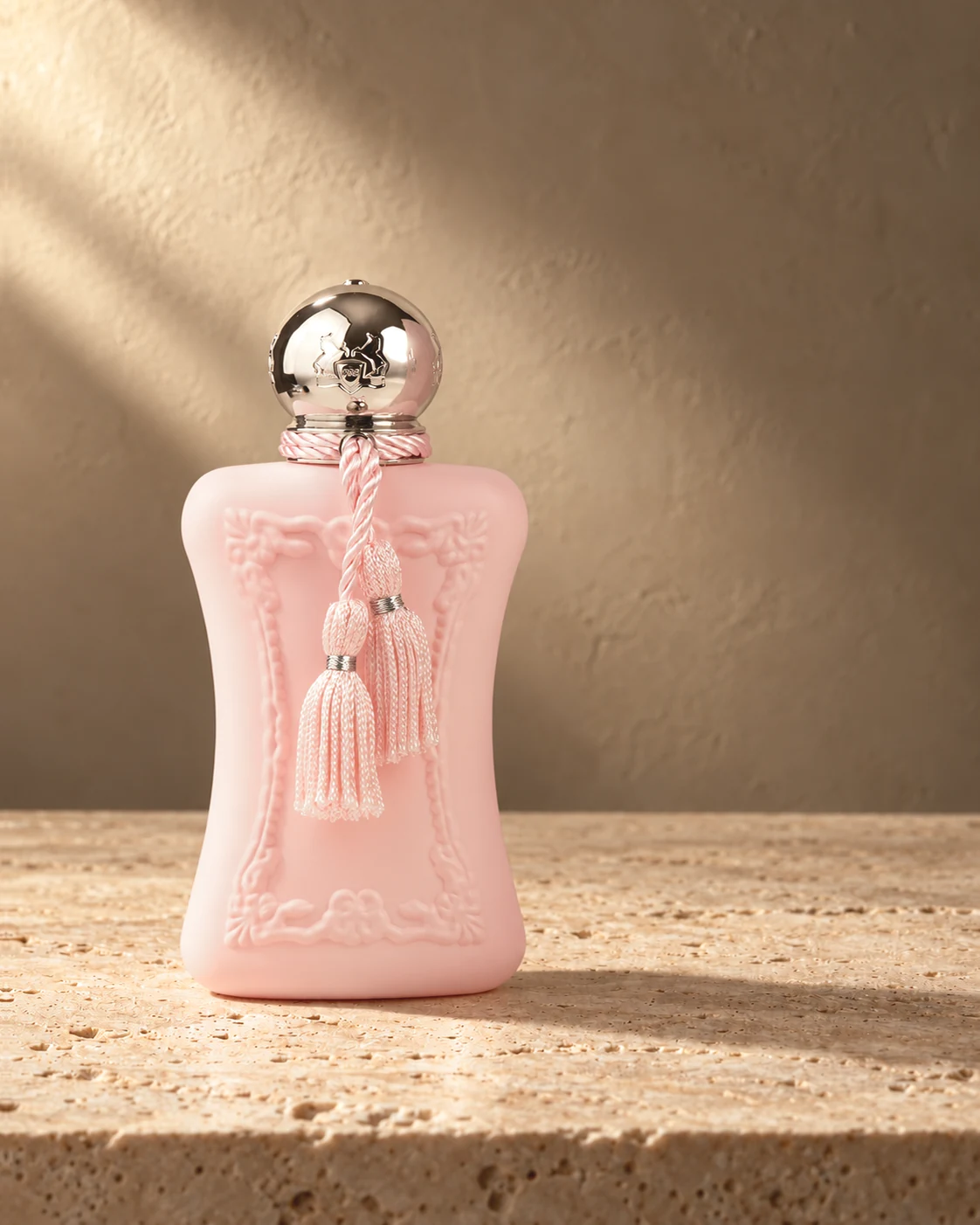
The words on the bottle describe concentration: how much perfume oil is dissolved in alcohol. More oil usually means a richer scent that lasts longer and stays closer to the skin; less means a lighter, brighter scent that fades sooner.
The four you will meet
Roughly: extrait or parfum, the most concentrated, rich and intimate; eau de parfum, the everyday standard for niche houses, full and lasting; eau de toilette, lighter and brighter, made for daytime and warm weather; eau de cologne, a fresh splash that fades within hours.
More oil usually means richer and longer; less means lighter and brighter
Is stronger always better?
No. The same scent can feel different in each strength: an eau de toilette often lets the fresh opening shine, while the eau de parfum leans into the warm base. Choose by how you will wear it, not by the number.
How to tell
Every scent's page among our decants shows its concentration under its name. If you are unsure, compare two strengths of a scent you love in 5 ml each: one week, two moods, and you will know.